August 3, 2026
|
College Wrestling
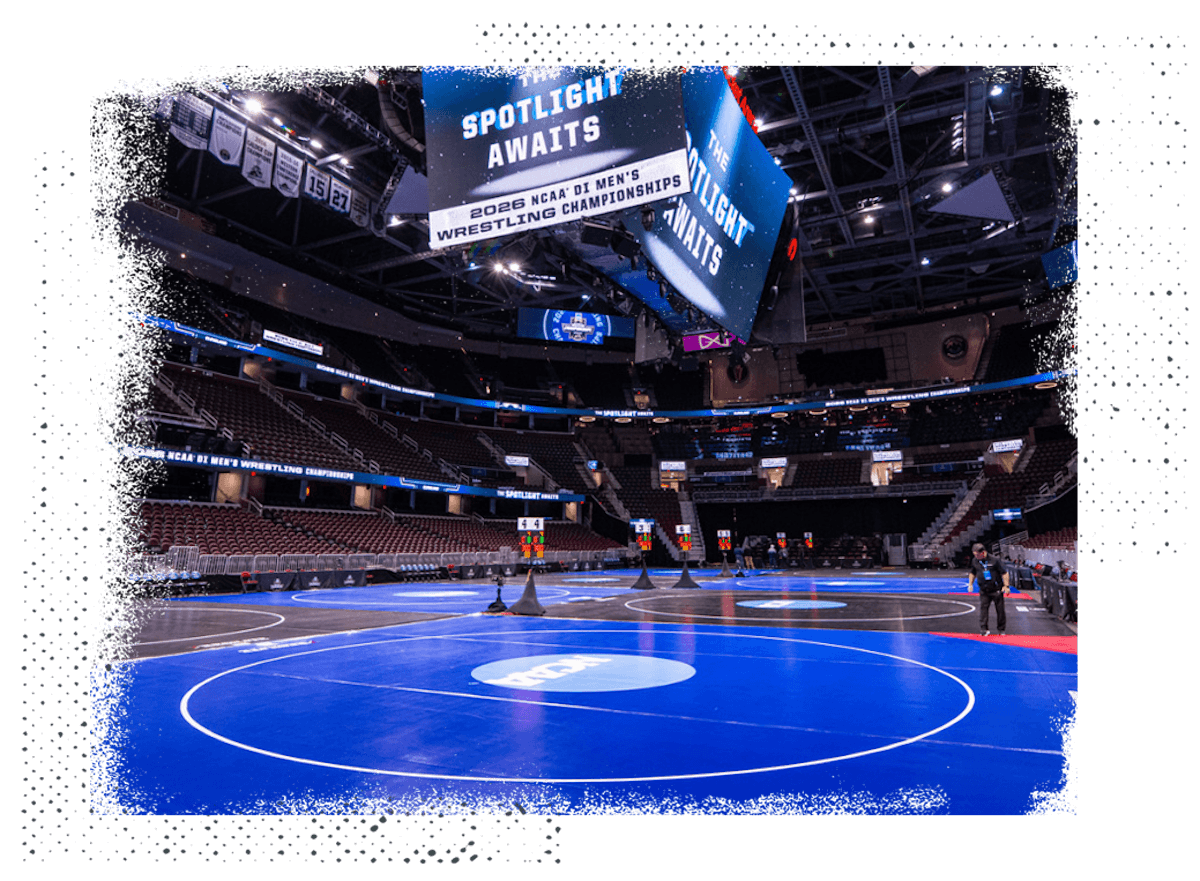
College wrestling rosters were already being rebuilt around the NCAA's new eligibility model heading into 2026-27. Then a federal court stepped in and put the entire plan in question. Right now, coaches are making roster decisions against a rulebook that could look different again within days.
On June 24, the NCAA Division I Cabinet unanimously approved a new age-based eligibility model, replacing the old four-seasons-in-five-years system. Under the new framework, every Division I athlete gets five full seasons in five years. The clock starts at first full-time enrollment or the academic year following an athlete's 19th birthday — whichever comes first.
The tradeoff is significant. Redshirts, medical waivers, and Olympic redshirts are gone. Every year an athlete is enrolled and eligible now counts, with narrow exceptions for pregnancy, active-duty military service, and official religious missions. Athletes already enrolled when the rule takes effect can choose whichever framework benefits them more.
For a sport built around the redshirt as a strategic tool, that's a seismic shift.
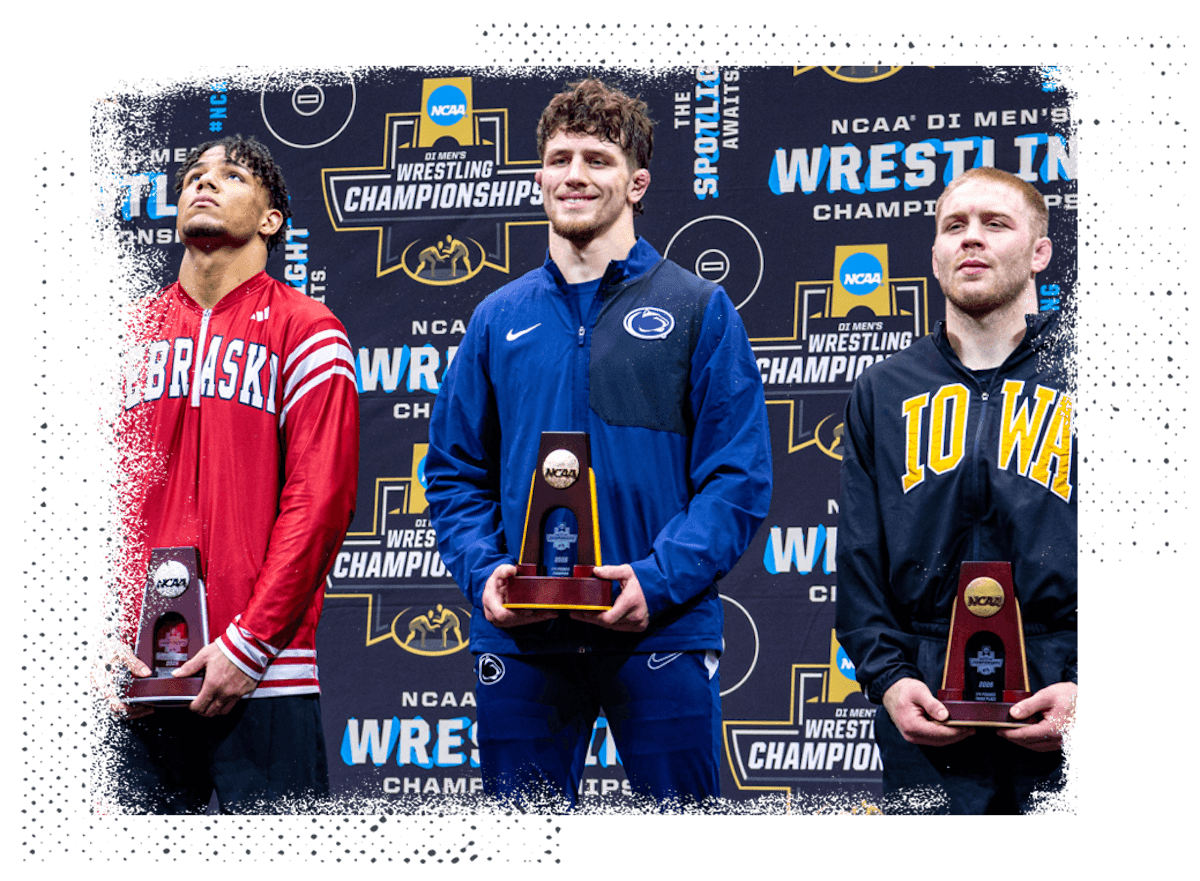
On July 31, U.S. District Judge Charlotte Sweeney in Denver ordered the NCAA to make every Division I athlete from the high school Class of 2022 eligible for one additional season — regardless of the five-for-five rollout timeline. In practice, that means wrestlers who used up their four years of eligibility after the 2025-26 season are cleared to return for one more.
Sweeney granted the preliminary injunction on the grounds that athletes would suffer irreparable harm without it, rejecting the NCAA's argument that retroactive application would create roster chaos. NCAA President Charlie Baker pointed to the ruling as further reason for Congress to pass the Protect College Sports Act, which would give the NCAA antitrust protection on eligibility matters. The NCAA is expected to appeal, so the situation remains fluid. A special transfer portal window tied to the injunction ran from August 3 through August 10.
The impact on wrestling was immediate. Multiple-time NCAA champions Jesse Mendez (Ohio State) and Levi Haines (Penn State) — both of whom appeared to have wrestled their final collegiate seasons this past March — are now eligible to return. Programs that had already rebuilt their 2026-27 lineups around those departures may need to rethink those plans within days.
Even setting the injunction aside, the five-for-five model changes how wrestling programs get built. The redshirt has long been the sport's release valve — a way to develop a talented backup behind an established starter without burning a year of eligibility. Penn State has used that tool as effectively as anyone under Cael Sanderson, keeping deep rooms intact for years at a time.
That flexibility is gone under the new rules. Every enrolled wrestler now gets five attempts at a national title, which means lineup logjams that used to get resolved through a redshirt year will instead push wrestlers toward the transfer portal. Programs with multiple ranked wrestlers at the same weight class are already bracing for more roster turnover, not less.
Elite recruits are weighing the tradeoff too. High schoolers who would have banked an Olympic redshirt or a traditional redshirt under the old rules now have to decide whether the age-based model or the legacy four-in-five system works better for them. For a recruit coming in after significant senior-level international competition, that choice can be the difference between five real cracks at an NCAA title and effectively fewer.
Reaction from the coaching ranks at this year's NWCA Coaches Convention in Baltimore was mixed.
Penn State's Cael Sanderson isn't sold on the change, telling FloWrestling's Christian Pyles the rule feels like a moving target: "It's never ending... you give them six years and they're going to want seven years."
North Carolina's Rob Koll is more accepting of the model, so long as it sticks around. He told FloWrestling's Andy Hamilton that most programs were already operating on a five-for-five basis in practice, though he pushed back on pairing it with a 30-man roster cap.
Missouri's Brian Smith called the change "the right thing," pointing to the realities of a sport where roster depth at specific weight classes is already thin and athletes are now being compensated.
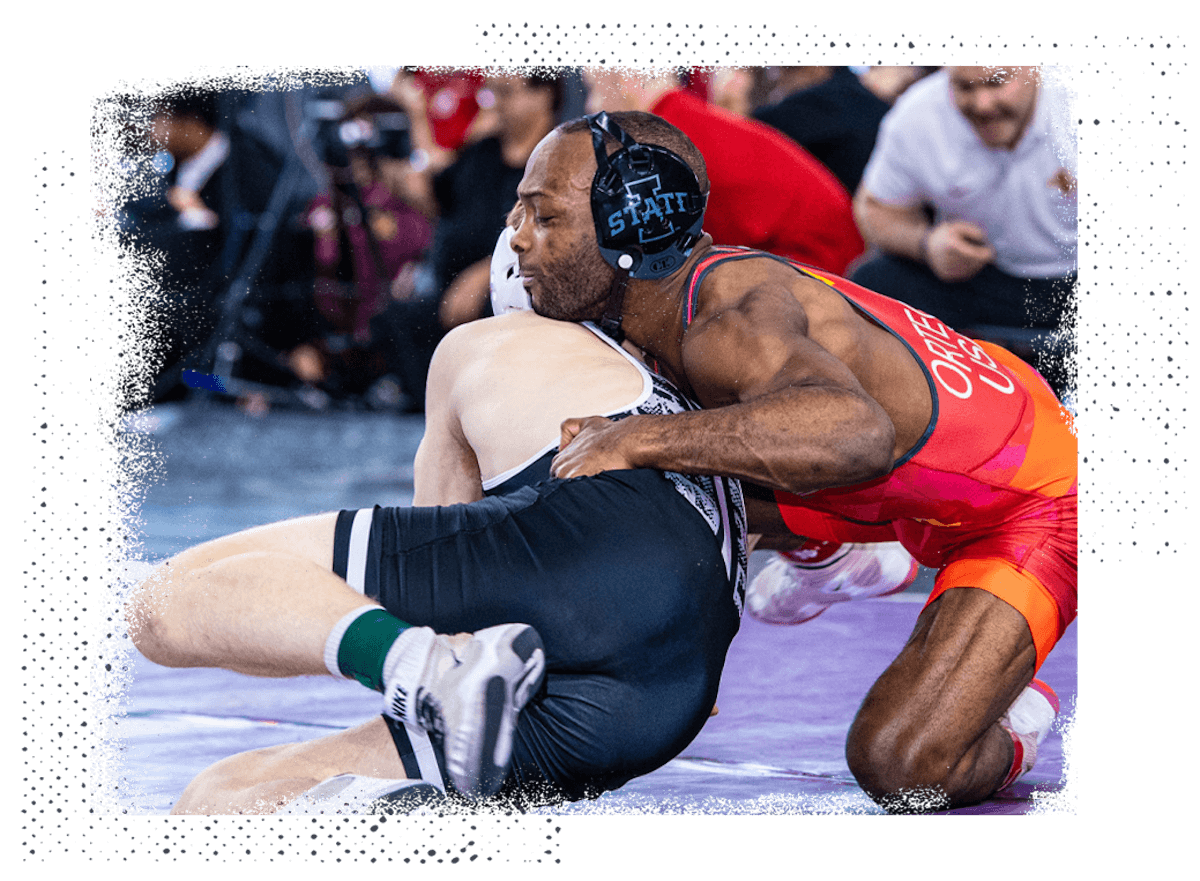
Wrestling has already produced one of the sharpest challenges to how the eligibility clock gets applied. Reineri Andreu Ortega, a Cuban-born two-time U23 world champion, sued the NCAA in December after it ruled his five-year clock began in 2016 — the year he enrolled at a Cuban university with no ties to intercollegiate athletics. Ortega's attorneys argued that starting the clock before an athlete ever competes in college sports is arbitrary, and it effectively locked him out of wrestling for Iowa State.
Ortega dropped the suit in May without a public settlement disclosure, but the underlying issue hasn't gone away. International wrestlers who train and study outside the NCAA system before transferring in are still exposed to losing years that a domestic recruit would never have counted against them.
The five-for-five model applies specifically to Division I, which limits its direct reach in women's wrestling — a sport where only a handful of programs compete at the D-I level, with most of the field spread across Division II, Division III, NAIA, and NJCAA, each running its own eligibility rules.
The bigger near-term shift for women's wrestling is coming through the junior college pipeline. The same June 24 legislation loosened two-year transfer rules, a change pushed for by the NJCAA, which should smooth the JUCO-to-four-year path for wrestlers moving up. With women's college wrestling still expanding and junior college still a major part of that pipeline, that added transfer flexibility matters even where the five-for-five model itself doesn't apply.
Nothing here is settled. An appeal is coming, Congress is weighing legislation that could reshape the legal landscape entirely, and coaches are building 2026-27 rosters against rules that may not survive the fall in their current form.